

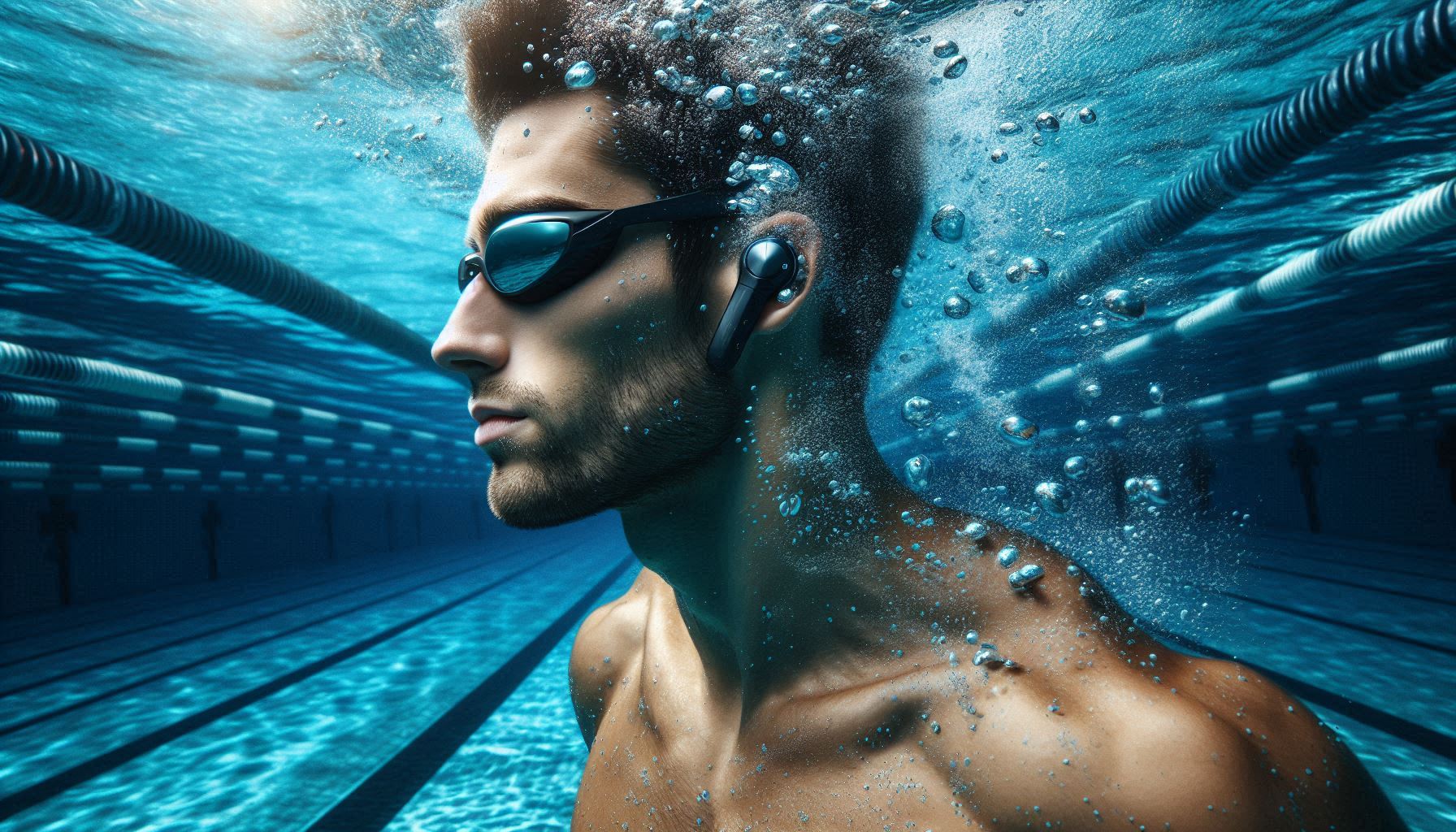
Disclaimer: Brand Quality Products is reader-supported. When you buy through links on our site, we may earn an affiliate commission.
Looking for the best waterproof earbuds for swimming can feel like searching for a needle in a haystack—one that keeps slipping through your fingers every time you dive in for another lap. Trust me, I’ve been there, squinting at endless online reviews, wondering if a pair of so-called underwater earbuds would either drown out my favorite swim playlist or just drown themselves. You want tunes that pulse right along with your strokes, not silence followed by that telltale gurgle when water seeps in.
Let’s crank up the good vibes and figure out what actually makes the best waterproof wireless earbuds for swimming, what doesn’t, and a few laughs (plus scars!) from real poolside experiments.
Why Waterproof Earbuds for Swimming Matter
When I first started hunting for waterproof bluetooth earbuds for swimming, I was pretty skeptical. I’d read tons of claims—“fully waterproof,” “suitable for lap swimming,” “amazing underwater sound!” Yeah, right. The reality? Half the so-called “water proof wireless earbuds” were only splashproof—fine when jogging in the rain, not when plunging into chlorinated battle with your local swim team.
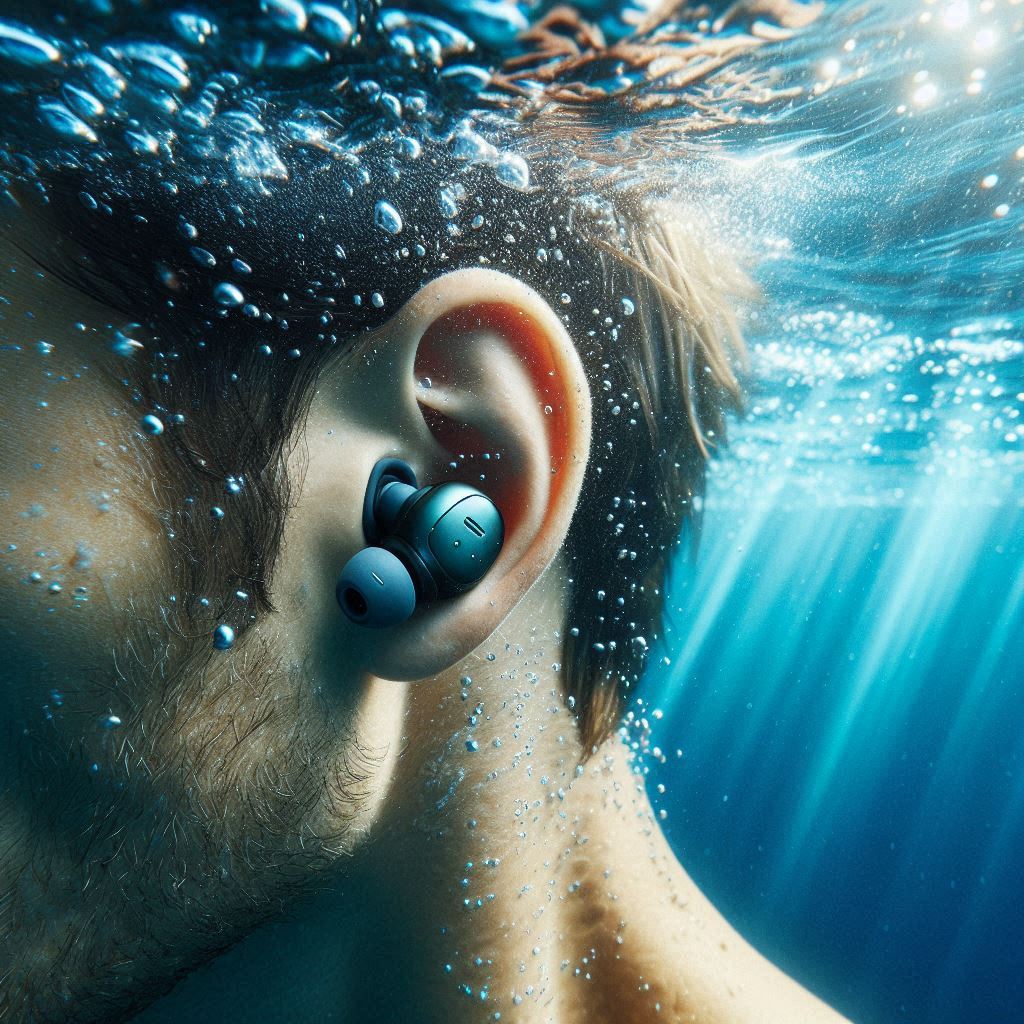
After a few soggy failures and a couple of devices that probably still echo somewhere at the bottom of my gym pool (Rest in Peace, budget buds), here’s the deal: the only real “waterproof” rating that’ll hold up during swimming is IPX8. That means submersible. No exceptions, no “well, probably fine for a quick dip.”
What to Look for in Underwater Earbuds for Swimming
Let’s get personal for a second. If you’re anything like me, swimming isn’t just exercise—it’s an escape. Music or a podcast makes it sublime. That means the wireless earphones for swimming you pick can’t mess around. Some people also ask, What are the best earbuds for not falling out of your ear? The answer usually comes down to fit, waterproofing, and stability during movement. After plenty of trial and error (plus feedback from fellow pool-dwellers), here’s my checklist:
- IPX8 Waterproofing: Accept nothing less. IPX7 won’t cut it for actual underwater use. Look for products with clear specs confirming submersion is A-OK—usually 1–2 meters for 30 minutes or more.
- Fit and Comfort: The biggest surprise? Fit matters more underwater than on land. Pressure changes can make ordinary ear tips slip. I’ve had buds pop out mid-leap—cue the awkward dive to scoop them off the pool bottom. Multiple ear-tip sizes, foam tips, or ear fins can help create a secure seal and keep earbuds from slipping out.
- Secure Attachment: Neckbands or tethers might seem old school, but if you hate missing a beat, these “extra” bits save you from searching the deep end. Many sport earbuds use ear hooks or fins to keep them firmly in place during activity.
- Bluetooth Underwater: Here’s a hard truth: Bluetooth signals don’t travel well in water. Most waterproof bluetooth earbuds for swimming now come with onboard storage (tiny MP3 players built right in).
- Sound Quality Underwater: Swimming warps sound, but well-sealed drivers can still deliver solid bass and clarity.
My First Splash: Real-Life Testing
Let’s get real for a second. The first time I threw on a pair of water proof wireless earbuds and dove into the deep end, I learned two things quickly:
- Chlorine stings if you open your eyes underwater chasing an earbud.
- “Good fit” written on the box means nothing until you test it doing sprints.
After a few flops, I stumbled onto a pair with a soft silicone band that looped around the back of my head. The difference? Like night and day. No more fishing for lost earbuds, and the music actually made it through a full swim session. One cheeky trick: pulling my swim cap slightly over the earpieces, but not so much to block the speakers. It really cut down on drag and kept the buds firmly in place.
Tips for Maxing Out Sound Quality Underwater
Let’s set expectations. Even the best waterproof earbuds for swimming won’t sound like your living room stereo. Water is dense, and it muffles highs and lows. That said, there are ways to make the most of your underwater listening:
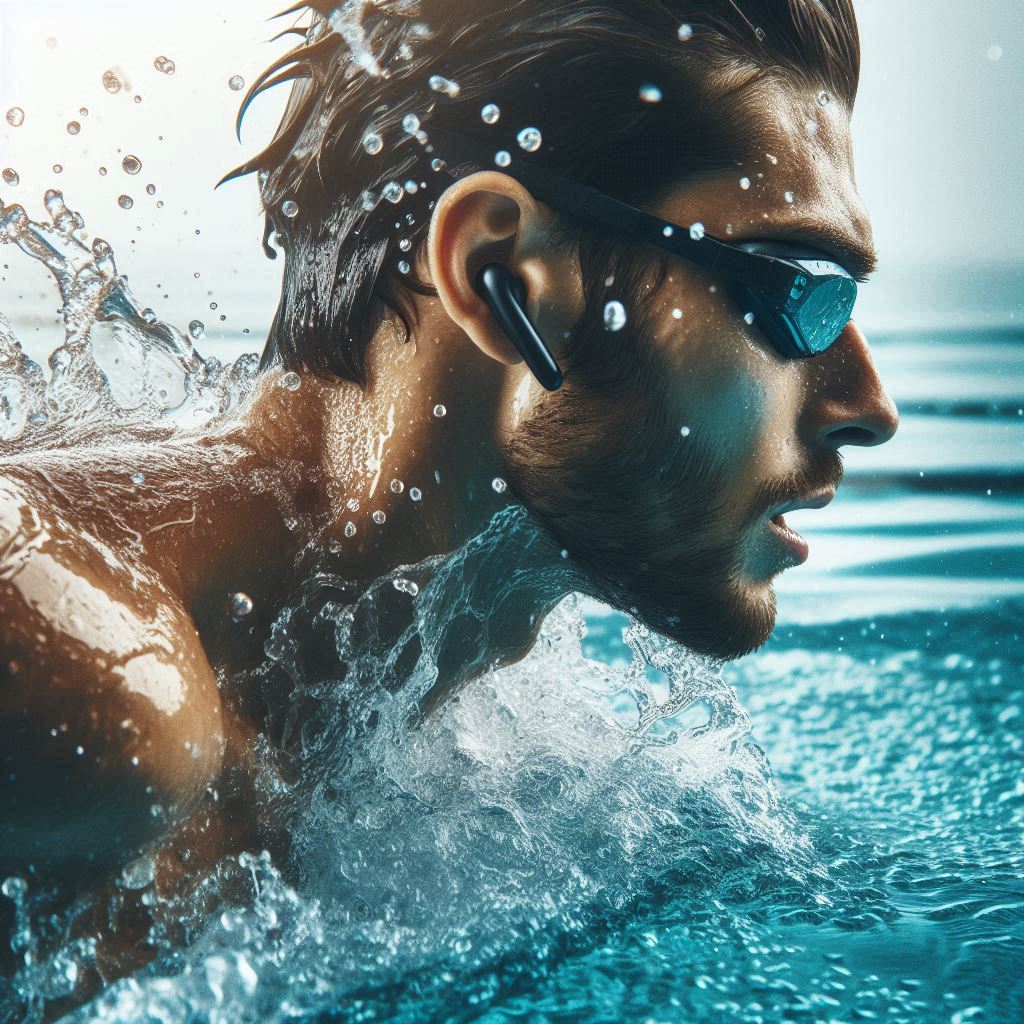
- Preload, Don’t Stream: Use the built-in MP3 function or equivalent on your underwater earbuds for swimming, and transfer song files directly—streaming is unreliable at best.
- Pick the Right Format: MP3s work everywhere, but some higher-end models will handle FLAC or lossless WAV for better quality. Check specs, but honestly, the main upgrade is in recording quality.
- Fit First: Test every ear tip in the pack. You want a seal that’s snug, even if you grimace a bit pushing it in. No gaps, no leaks.
- Adjust Volume Wisely: Cranking volume to max won’t fix bad underwater sound, it’ll just numb your ears. Instead, curate playlists where the mix is already punchy with strong mids and bass-heavy sections.
- Try Podcasts for Endurance Swims: Sometimes, music gets old. A new trick—load up a podcast or even an audiobook. You’ll zone out, go longer, and—bonus—learn something while you count off laps.
Anecdotes from the Lane
I’ll never forget my buddy Dave, who swore by listening to whale sounds underwater… until his earbuds popped out and scared a lifeguard. Another time, I found myself humming louder than the music because my wireless earphones for swimming slipped after a flip turn, and I didn’t want to ruin focus fixing them. Lesson learned: extra ear hooks are worth the odd look.
I’ve tested the waterproof bluetooth earbuds for swimming during outdoor open water swims too. Did you know salt water is less forgiving than pool water? Rinse those earbuds ASAP and dab them dry. If you don’t, corrosion creeps in fast and those premium underwater earbuds you shelled out for will sound like someone singing underwater with a mouthful of marbles.
The Top Features to Prioritize
Here’s the shortlist I share at every swim meet, based on goggled-up experience:
- Onboard Storage: 2GB minimum. You’ll want variety for those long training days—music, motivational tracks, even guided meditations.
- Hydrodynamic Design: Bulky designs increase drag. Sleeker, goggle-friendly shapes let you focus on form, not fiddling.
- Simple Controls: Large buttons you can press by touch, even with numb fingers. Swipe controls sound fancy but fail miserably when wet.
- Long Battery Life: Look for at least 6 hours. Few things sting like running out of battery mid-set.
- Durability: Don’t just read specs. Google for real swimmers’ reviews. If someone claims their pair lasted a full triathlon season, that’s golden.
How to Maintain Your Waterproof Earbuds for Swimming
This is the “eat your veggies” part. Ignore it and risk a moldy, staticky, or totally dead pair. After every swim:
- Rinse with Fresh Water: Every. Single. Time. Especially after seawater or heavily chlorinated sessions.
- Air Dry Thoroughly: Don’t just toss in your gym bag. Shake out moisture and lay them flat in a towel.
- Check the Seal: Every week, inspect tips and seams. Swap out worn tips at the first sign of squishiness.
- Avoid Extreme Heat: Dry by air, not under a hairdryer or direct sunlight. Heat degrades plastics and adhesive fast.
Choosing the Best Waterproof Wireless Earbuds for Swimming: A Quick Checklist
Before parting with hard-earned cash, grab this cheat sheet:
- Will you use them for flip turns, open-water, or just relaxed laps?
- What’s the most important: battery, sound, comfort, or price?
- Do you wear a swim cap or goggles every session?
- Would losing an earbud ruin your day?
For some, those tethered/tether-free arguments are old news, but being honest about your pool habits—intense sets or lazy floats—will point you to the right pick.
Final Thoughts: Your Underwater Soundtrack Awaits
Getting the best waterproof earbuds for swimming isn’t just about specs—it’s about becoming part of your aquatic routine. The right pair disappears into the background, immersing you in rhythm and beat so that each stroke feels just a little lighter. From personal fails to real wins, don’t settle for “good enough.” Because your swim playlist deserves crisp highs, strong beats, and not a single gurgle in sight.
So, next time you slip into the pool and fit those underwater earbuds for swimming in place, remember: you’re not just outsmarting the silence, you’re making every lap a tiny concert, deep beneath the surface. And if your earbuds ever decide to go for a solo dive? Well, maybe you just found another reason to swim another lap.
Are there waterproof earbuds for swimming?
Of course, there are earbuds designed specifically for swimming activities. They have high levels of water-resistance such as IPX7 and IPX8 that mean complete submersion is possible without harm to the device. The vast majority of earbuds intended for swimming don’t use Bluetooth but either bone conduction or onboard storage.
What are the best waterproof earbuds for swimming?
When it comes to choosing the best waterproof earbuds for swimming, one should pay attention to earbuds with an IPX8 level of protection, tight design, and internal storage of music tracks. Bone conduction headphones and entirely watertight earbuds for deep laps are popular examples of such devices.
Are Beats earbuds or headphones good for swimming?
No, Beats headphones and earbuds are not made for swimming. Even though some models have certain features that prevent the device from being damaged by sweat and a little moisture, the whole earbuds aren’t intended for water submersion.
What should I know about waterproof ratings for Bluetooth earbuds?
Waterproof protection levels of headphones and earbuds include IPX4, IPX5, IPX7, and IPX8 that refer to different levels of protection against water. For swimming activities, one needs either IPX7 or IPX8 level because it means water immersion and continuous submersion.
How do I choose waterproof wireless earbuds for swimming or heavy sweating?
Choose earbuds that have an IPX7 or IPX8 rating, a snug fit, and an anti-slip construction. When it comes to swimming, choose earbuds with built-in memory rather than Bluetooth capabilities. While exercising, look for sweat resistance.
Do they make earbuds specifically for swimming?
Yes, earbuds designed for swimming exist. Such earbuds will remain securely attached underwater and have built-in memory for music playback offline.
How can I get water out of earbuds safely?
In order to get rid of excess water in the earbud, one should gently shake it, then pat dry with a clean cloth, and finally, air-dry the earbuds properly. It is not recommended to use any sources of heat, such as a hairdryer.
Which earbuds can you wear while swimming?
You may use any earbuds that have an IPX8 rating or those which are labeled as swimming headphones. Bone conduction earbuds work perfectly underwater.