
Disclaimer: Brand Quality Products is reader-supported. When you buy through links on our site, we may earn an affiliate commission.
If you’ve spent any time scrolling through wellness TikTok, fitness YouTube, or recovery forums lately, you’ve probably seen people wrapping glowing red belts around their waist or back claiming it helps soreness, recovery, and even relaxation.
At first, it sounds like one of those internet wellness trends that disappears after a few months.
But red light therapy has actually been around for years. Physical therapy clinics, athletes, and even dermatology centers have used different forms of light therapy for recovery and wellness support. The difference now is accessibility. Instead of huge expensive machines, you can buy a wearable red light therapy belt and use it at home while watching TV or sitting at your desk.
That’s exactly why these devices are getting so popular.
The big question though is simple:
Do they actually work?
The short answer is… sometimes yes, depending on what you expect from them.
This guide breaks down what a red light belt really does, where it helps, where it falls short, and whether it’s worth spending your money on one.
What Is a Red Light Therapy Belt?
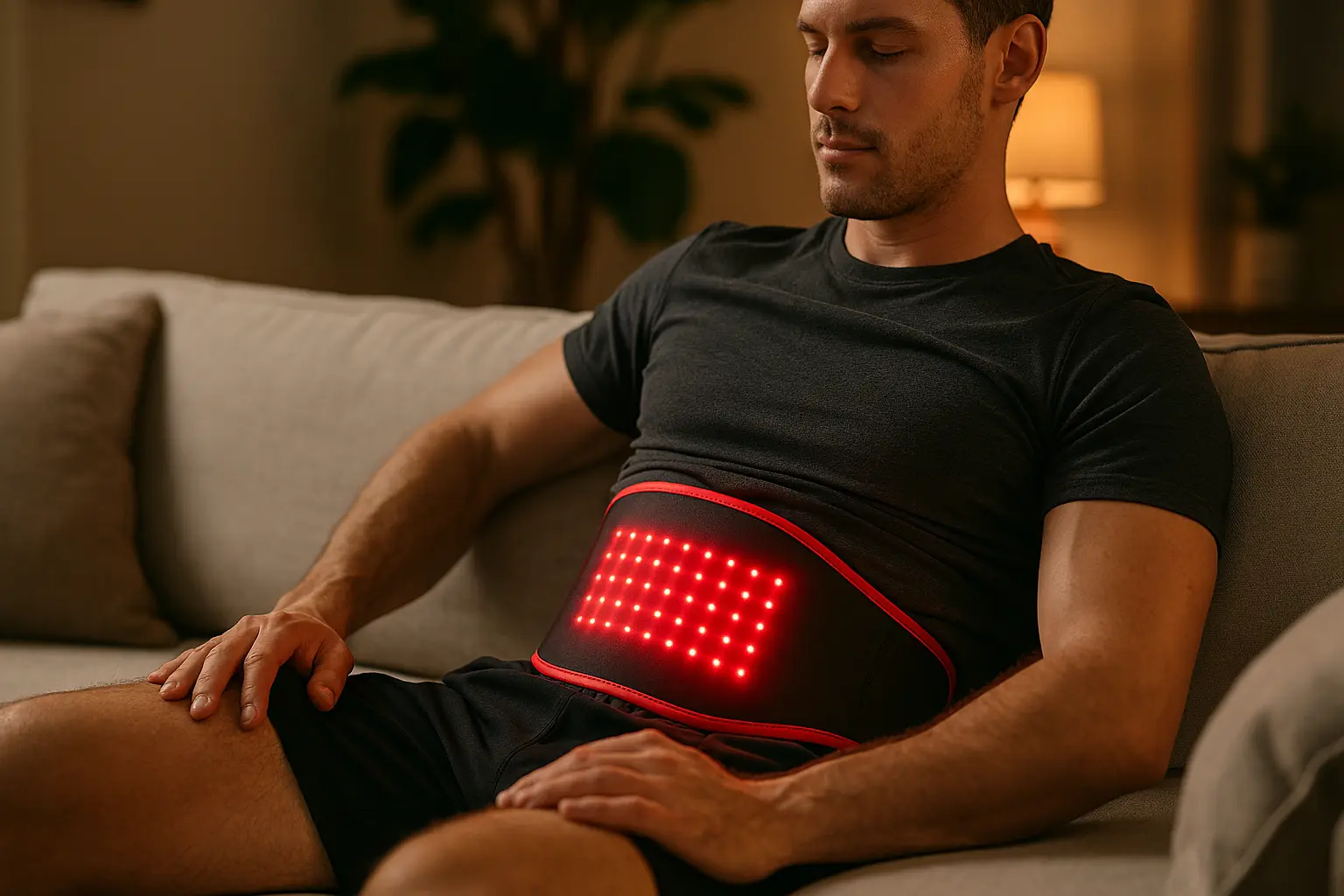
A red light therapy belt is a wearable recovery device that wraps around areas like the waist, lower back, knees, shoulders, or legs. It uses red light and near-infrared wavelengths to target localized areas of the body.
Most modern belts include:
- 660nm red light
- 850nm near-infrared light
- Adjustable straps
- Multiple light modes
- Pulsed and continuous settings
They’re designed for convenience more than anything else.
You don’t need a clinic appointment. You don’t need a complicated setup. You just strap it on and relax for 15–20 minutes.
That simplicity is a huge reason people actually stick with using them.
Why People Start Looking for Recovery Devices
Most people don’t wake up randomly wanting an infrared led light therapy belt.
Usually, something starts bothering them first.
Maybe it’s lower back tightness after sitting all day.
Maybe workouts leave them sore for two days straight.
Or maybe they’re simply tired of spending money on massages and recovery gadgets that end up sitting in a drawer.
The thing is, recovery routines are hard to maintain.
Stretching sounds great until you’re exhausted after work.
Foam rolling helps, but most people don’t enjoy doing it regularly.
And expensive clinic sessions add up fast.
That’s why wearable recovery tech has exploded recently. People want something passive. Something easy.
A red light waist belt fits directly into that category.
You wrap it around the sore area, turn it on, and continue doing normal life stuff.
That convenience matters more than most brands admit.
First Impression Using a Red Light Belt
Honestly, expected these devices to feel gimmicky.
A lot of wellness products online overpromise results, especially anything connected to “biohacking” trends.
But after trying a wearable infrared light therapy belt consistently for a few weeks, opinion became a little more balanced.
The first thing noticed was comfort.
Most belts use soft neoprene-style fabric, so they don’t feel stiff or awkward. The flexible design wraps naturally around the waist or lower back without digging into the skin.
And they’re lightweight too.
That sounds minor, but if something feels uncomfortable, people stop using it quickly.
The best red light therapy belt devices understand that consistency matters more than intensity for home users.
How Red Light Therapy Actually Feels
A lot of first-time buyers expect dramatic heat.
That’s usually not what happens.
Most red light belts create a gentle warming sensation instead of intense heat. During a 15–20 minute session, the treated area starts feeling relaxed and slightly warm, similar to a mild heating pad.
It’s subtle.
But honestly, that’s part of why it feels easy to use regularly.
Some recovery tools feel aggressive or uncomfortable. A wearable red light belt feels more calming than intense.
Found using it while:
- Watching sports
- Answering emails
- Reading
- Relaxing before bed
- Sitting at my desk
And because sessions don’t interrupt your day, it becomes easier to stay consistent.
That’s important because these devices usually work gradually, not overnight.
Features That Actually Matter
Most quality devices combine two wavelengths:
Red Light (660nm)
This targets surface-level areas and is commonly associated with:
- Skin wellness
- Surface tissue support
- Everyday relaxation
Near-Infrared Light (850nm)
Near-infrared penetrates deeper into tissue compared to visible red light.
This setting is usually preferred for:
- Muscle tightness
- Post-workout soreness
- Recovery support
- Lower back tension
Most people simply use the combined mode so both wavelengths work together.
Simple Controls Make a Big Difference
One thing appreciated immediately was how straightforward these devices are.
- No app.
- No Bluetooth setup.
- No complicated menus.
Most infrared light therapy belt models include:
- Power button
- Mode selection
- Timer
- Pulsed or continuous option
That’s it.
And honestly, that simplicity is refreshing.
Some wellness products try too hard to feel futuristic. But recovery tools work best when they’re easy to use consistently.
Realistic Results After Several Weeks
This is where expectations matter.
A red light therapy belt is not a miracle machine.
It’s not going to erase chronic pain overnight or replace medical treatment.
But after using one consistently for around four weeks, I did notice gradual improvements in certain areas.
Mainly:
- Reduced lower back tightness
- Less stiffness after sitting long hours
- Slightly easier post-workout recovery
- Better muscle relaxation before sleep
The changes felt subtle at first.
Then over time, realized was reaching for the device more often because it genuinely felt soothing.
That’s probably the best way to describe it.
Supportive.
Not life-changing. Not magical. Just helpful.
Where Red Light Belts Fall Short
This part is important because marketing around these devices can get pretty unrealistic.
Some brands advertise their products like they’ll melt fat away instantly or completely cure pain.
That’s not how this works.
A red light weight loss belt should not be viewed as a shortcut to fat loss. There’s very limited evidence supporting dramatic body transformation claims from wearable belts alone.
The better way to think about these products is localized wellness support.
They may help:
- Relax muscles
- Support recovery routines
- Encourage consistency
- Reduce temporary tightness
But deeper structural pain issues usually require more than a wearable device.
Coverage area is another limitation.
A belt only targets a small section at one time, unlike large full-body therapy panels.
That’s the tradeoff for portability and affordability.
Pros and Cons
Pros
- Comfortable flexible fit
- Easy for beginners
- Relaxing warmth during sessions
- Simple controls
- Can be used while multitasking
- More affordable than large therapy panels
Cons
- Results take consistency
- Limited treatment area
- Mid-level intensity only
- Some models sell battery packs separately
- Not ideal for severe chronic pain
Who Should Buy a Red Light Therapy Belt?
These devices make the most sense for people who want low-effort recovery support.
Especially:
- Office workers with lower-back stiffness
- Casual gym-goers
- Beginners exploring red light therapy
- Budget-conscious wellness shoppers
- People wanting localized relief
If you’re expecting clinic-level performance though, you may feel disappointed.
Advanced users often prefer large high-powered LED panels because they deliver stronger intensity and broader coverage.
But those systems also cost significantly more.
That’s why wearable belts exist in an interesting middle ground.
Affordable enough for beginners.
Practical enough for daily use.
Simple Buying Guide
If you’re comparing options online, here are the features that actually matter.
1. Wavelength Combination
Look for:
- 660nm red light
- 850nm near-infrared light
That combo has become the standard for modern wearable recovery devices.
2. Comfort and Flexibility
A stiff belt becomes annoying fast.
Flexible materials matter more than flashy marketing claims.
3. Ease of Use
The easier the controls, the more likely you’ll use it consistently.
Simple usually wins here.
4. Power Options
Some brands include portable battery packs.
Others don’t.
Check carefully before buying.
5. LED Coverage
More LEDs generally provide better coverage across the treatment area, but comfort and consistency still matter more for most casual users.
Are Red Light Therapy Belts Worth It?
For the right person, yes.
That’s really the honest answer.
A wearable infrared led light therapy belt won’t replace physical therapy or magically transform recovery overnight. But for mild soreness, muscle tension, relaxation, and everyday wellness routines, these devices can absolutely feel useful.
The biggest strength is convenience.
You don’t need motivation to drive somewhere.
You don’t need complicated recovery routines.
You just wrap it on, press a button, and relax for 20 minutes.
That simplicity is why so many beginners stick with wearable devices longer than traditional recovery methods.
And honestly, consistency probably matters more than buying the most expensive device possible.
Final Thoughts
The best red light therapy belt isn’t necessarily the strongest or most expensive one.
It’s the one you’ll actually use consistently.
For beginners, wearable recovery wraps offer an approachable way to explore red light therapy without spending thousands on professional systems. They’re comfortable, easy to understand, and practical for localized soreness support.
Just keep expectations realistic.
These devices work best as supportive wellness tools, not miracle recovery machines.
If that sounds like what you’re looking for, a red light belt can genuinely become a useful part of your routine.